· David Okafor · News · 2 min read
Artemis II Validates Rad-Hard Electronics in Deep
NASA's Artemis II mission confirmed that radiation-hardened semiconductors performed flawlessly beyond Earth orbit. Here's why PCB reliability standards matter more than ever for aerospace applications.

NASA’s Artemis II crew returned safely on April 14 after a ten-day journey beyond Earth orbit — the farthest humans have traveled since Apollo 17 in 1972. While the mission made headlines for its crewed lunar flyby, the electronics story is equally significant for the PCB industry.
Infineon’s Rad-Hard Components Performed Flawlessly
Infineon reported that its radiation-hardened semiconductors operated without fault throughout the mission, supporting power management, control, and data communication within the Orion capsule. The components, developed by Infineon’s IR HiRel division, are qualified to MIL-PRF-38535 Class V and ESA ESCC standards.
The company also highlighted its space-qualified 100V GaN transistor — a sign that wide-bandgap semiconductors are moving from terrestrial power electronics into orbit, where their lower switching losses and higher power density translate directly into weight savings.
Why This Matters for PCB Manufacturing
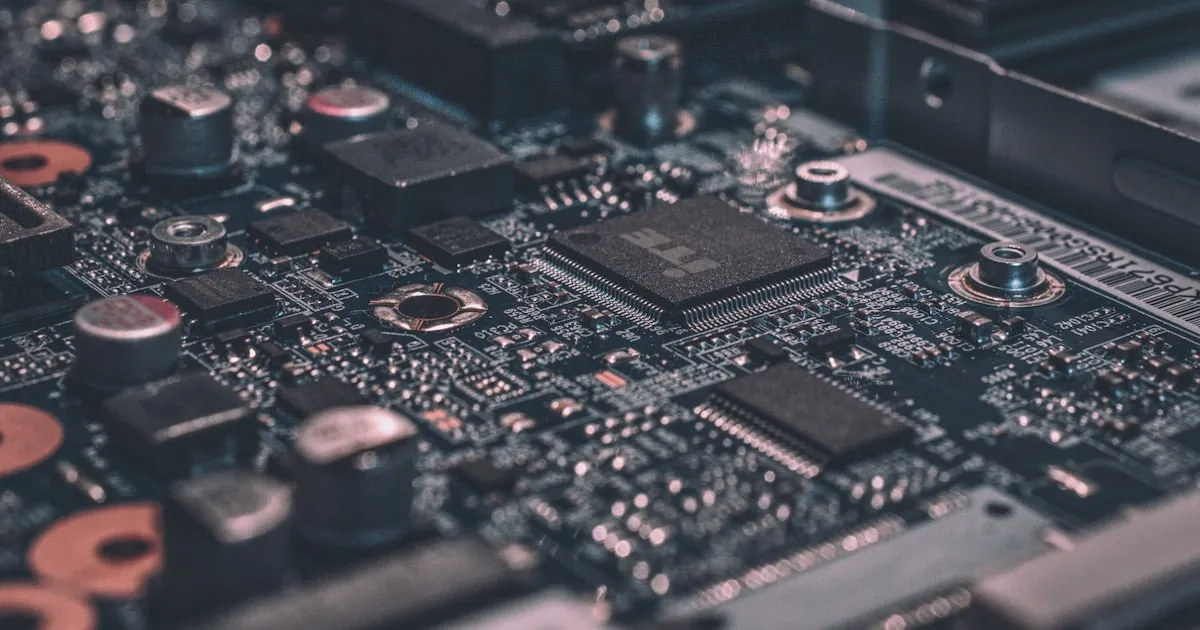
Radiation-hardened electronics are only as reliable as the boards they’re mounted on. Deep-space missions subject PCBs to:
- Thermal cycling from −150°C to +120°C as the spacecraft moves between sunlight and shadow
- High-energy particle bombardment that can cause copper migration and dielectric breakdown
- Vibration and mechanical stress during launch (up to 6g sustained acceleration)
- Zero-maintenance lifetime — you cannot rework a board in orbit
This is why aerospace PCBs are manufactured to IPC Class 3 standards with additional requirements: controlled impedance, via fill and cap plating, rigorous cross-section analysis, and full traceability from laminate lot to finished board.
The Growing Aerospace PCB Market
With Artemis, SpaceX Starship, and the expanding satellite constellation market (OneWeb, Starlink, Kuiper), demand for high-reliability PCBs is accelerating. These applications increasingly require:
- High layer count boards (16-40+ layers) for complex avionics systems
- Rogers and PTFE materials for RF communication and radar subsystems
- HDI with sequential lamination for miniaturized sensor packages
- Controlled impedance with TDR verification on every production panel
The trend is clear: as missions get more ambitious, the PCB reliability requirements get more demanding.
AtlasPCB manufactures to IPC Class 3 standards with full engineering pre-audit. If you’re designing for aerospace or high-reliability applications, upload your files for a free DFM review.
About AtlasPCB — We specialize in complex PCB manufacturing for HDI, RF, and high-reliability applications. Explore our full PCB manufacturing capabilities . Every order includes free engineering review. Get your quote.
Reviewed by AtlasPCB Engineering Team — IPC-certified manufacturing specialists with 15+ years of production experience in HDI, RF, and high-reliability PCB fabrication. Content based on factory floor data and real customer design reviews.
- aerospace pcb
- radiation hardened
- reliability
- IPC Class 3
- news